
India and US Sign Pax Silica Declaration to Strengthen AI and Strategic Tech Supply Chains
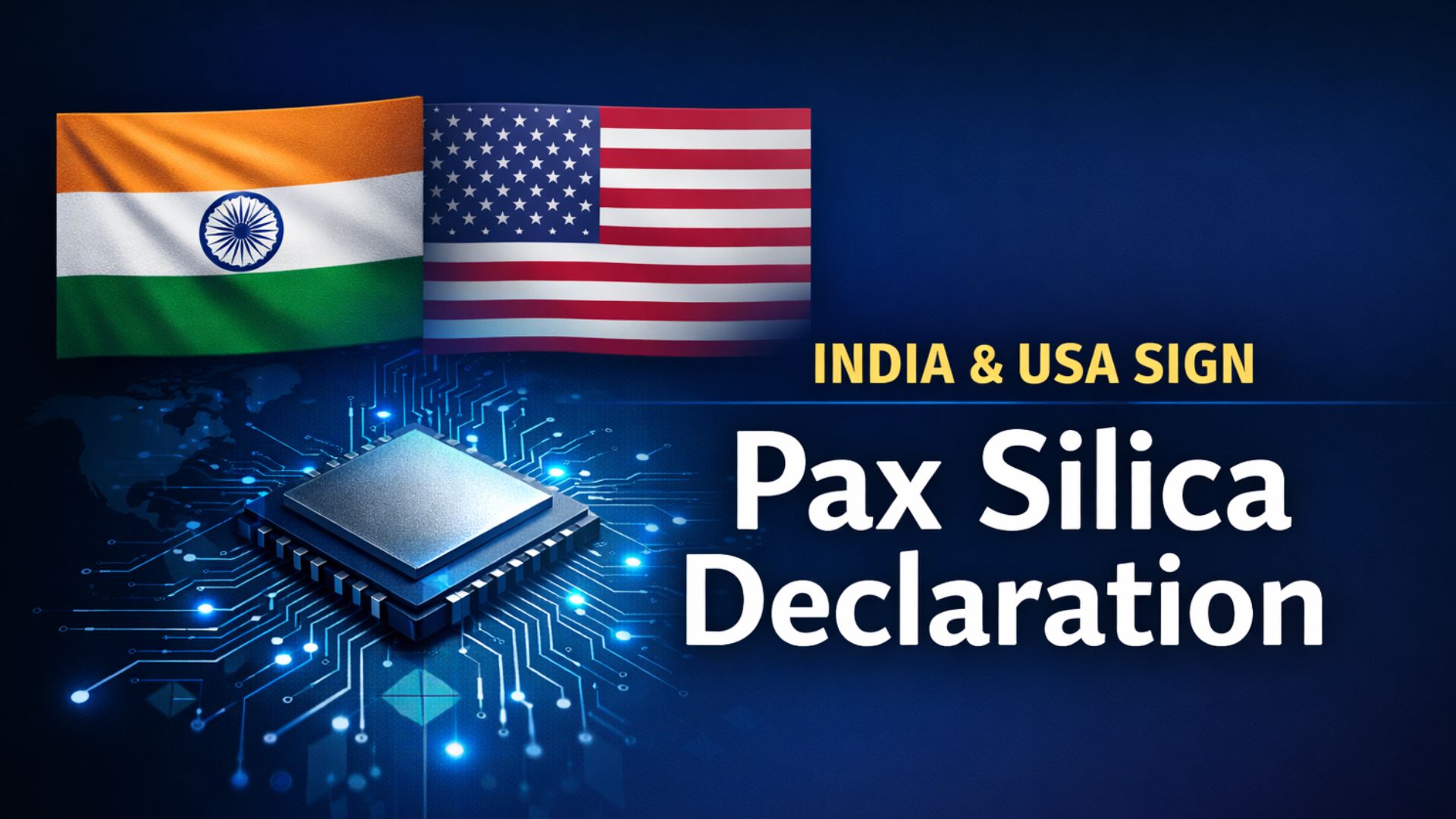
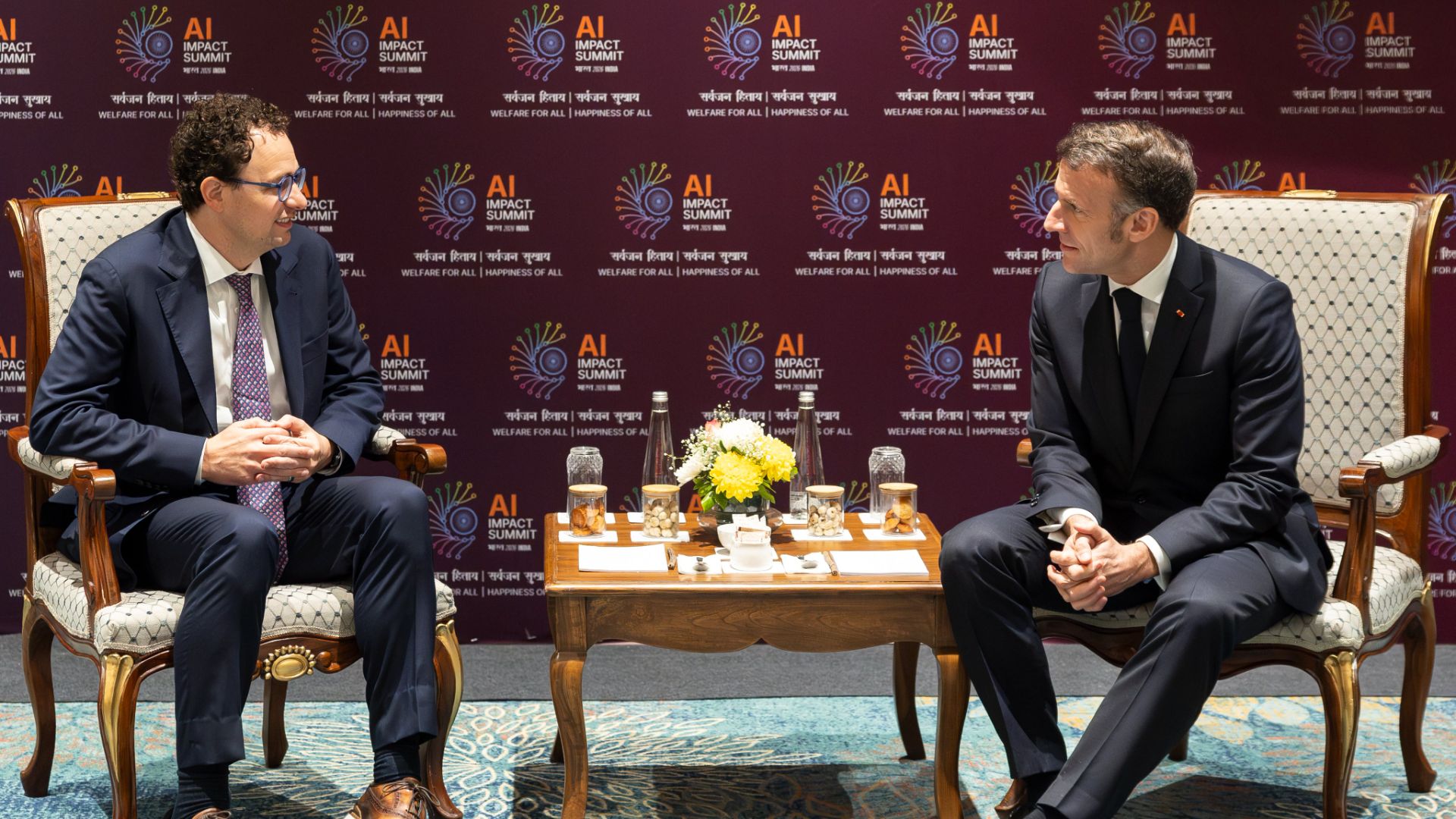
On February 20, 2026, during the India AI Impact Summit held in New Delhi, India formally signed the Pax Silica Declaration with the United States, marking a significant milestone in bilateral cooperation on artificial intelligence, semiconductor manufacturing, and critical technology supply chains. The declaration positions India within a US-led strategic framework aimed at building resilient, transparent, and trusted ecosystems for next-generation technologies.
The agreement was signed by Union Minister for Electronics and IT Ashwini Vaishnaw and US Under Secretary of State for Economic Affairs Jacob Helberg. The initiative focuses on securing access to advanced AI chips, strengthening semiconductor fabrication partnerships, diversifying sourcing of critical minerals, and reducing over-dependence on concentrated global supply hubs.
Officials stated that the Pax Silica Declaration will facilitate deeper collaboration in chip design, research and development, talent exchange, and investment in fabrication infrastructure. It is expected to encourage joint ventures, technology transfer frameworks, and coordinated policy efforts to safeguard supply continuity in times of geopolitical disruption.
India’s participation follows the initial launch of the Pax Silica initiative in December 2025. By joining the framework, India aims to accelerate its semiconductor mission, attract global manufacturing investments, and position itself as a reliable partner in the global technology value chain.
The declaration also emphasizes responsible AI governance, secure digital infrastructure, and alignment with democratic principles in emerging technologies. Analysts believe the pact strengthens strategic alignment between the two countries and could catalyze multi-billion-dollar investments in semiconductor manufacturing, AI research centers, and high-skill employment across both nations.
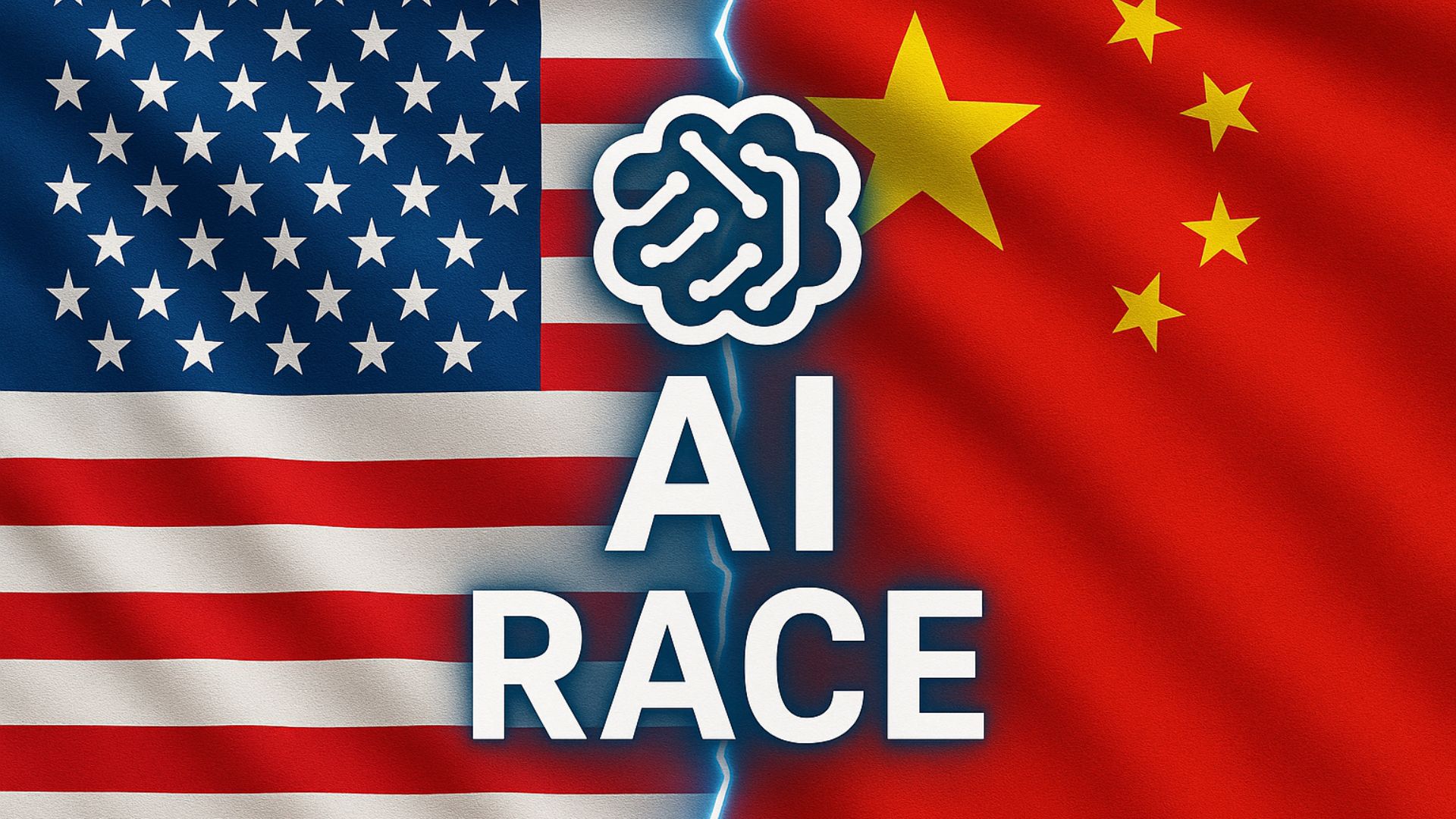
The move further deepens India–US technology ties at a time when global competition over AI leadership, chip security, and critical mineral access is intensifying.