
Supreme Court Blocks Trump’s Broad Tariff Authority in Landmark Ruling
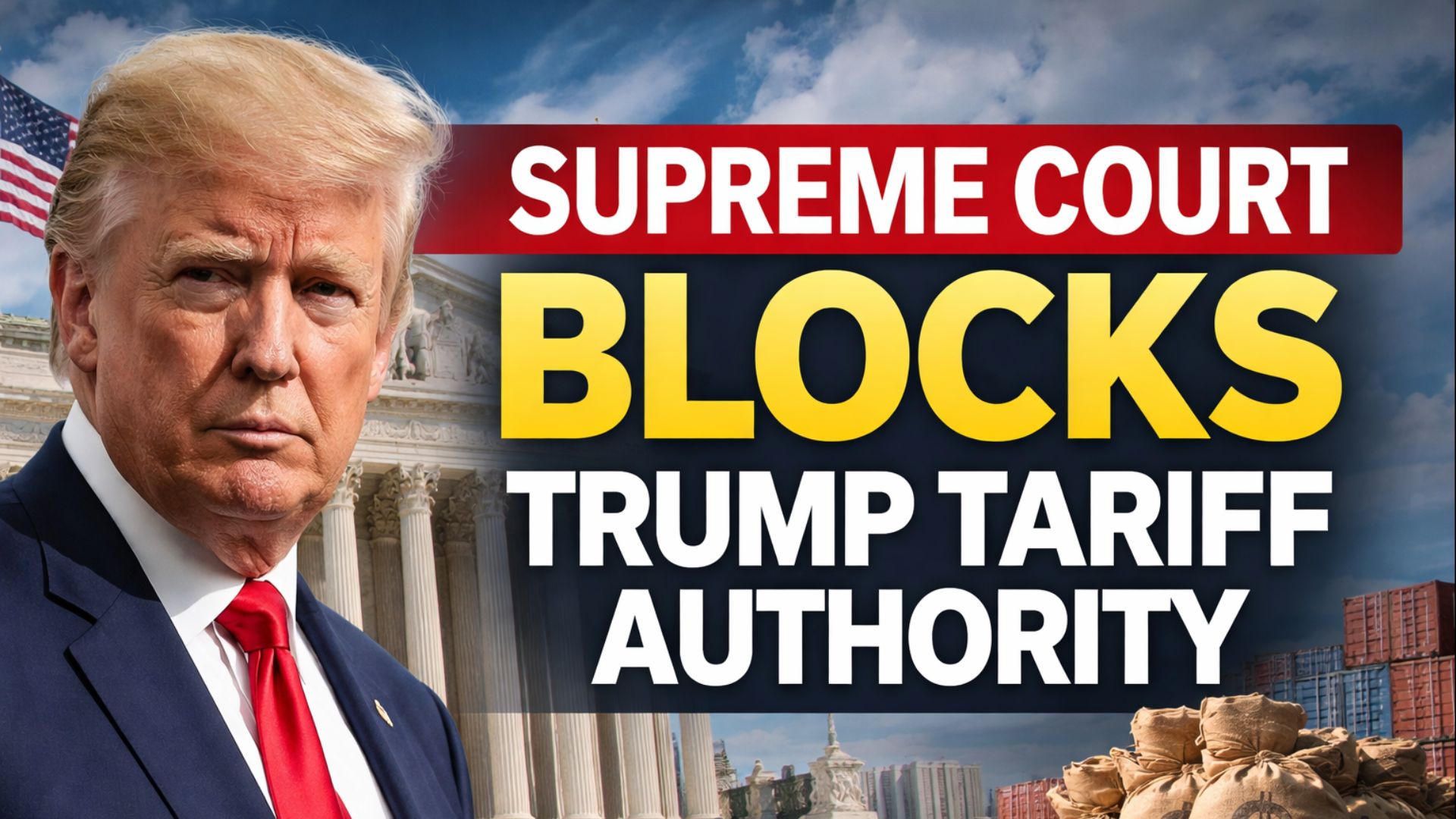
In a landmark decision, the United States Supreme Court ruled that former President Donald Trump exceeded his executive authority by imposing broad import tariffs under emergency economic powers. The Court held that federal law does not grant the president unlimited authority to restructure international trade through sweeping tariff measures without direct congressional approval.
The case centered on the interpretation of emergency economic statutes that were used to justify wide-ranging tariffs on foreign goods. The administration argued that national economic security concerns required decisive action. However, the Supreme Court determined that the Constitution assigns the power to levy taxes and duties to Congress, reinforcing the legislative branch’s primary role in trade regulation.
The majority opinion emphasized that while presidents retain flexibility to respond to genuine national emergencies, such authority must remain within statutory limits set by lawmakers. The ruling strengthens the separation of powers and limits broad interpretations of executive emergency authority in trade policy.
The legal challenge was brought by businesses, trade associations, and several state governments, which argued that the tariffs increased costs for American companies and consumers while disrupting supply chains.
Policy experts say the decision could significantly influence how future administrations approach tariff strategies, potentially requiring clearer congressional backing before imposing large-scale trade measures. Financial markets reacted cautiously as investors assessed the broader implications for US trade policy and economic stability.