
Ayatollah Ali Khamenei: From Revolutionary Cleric to Iran’s Supreme Leader

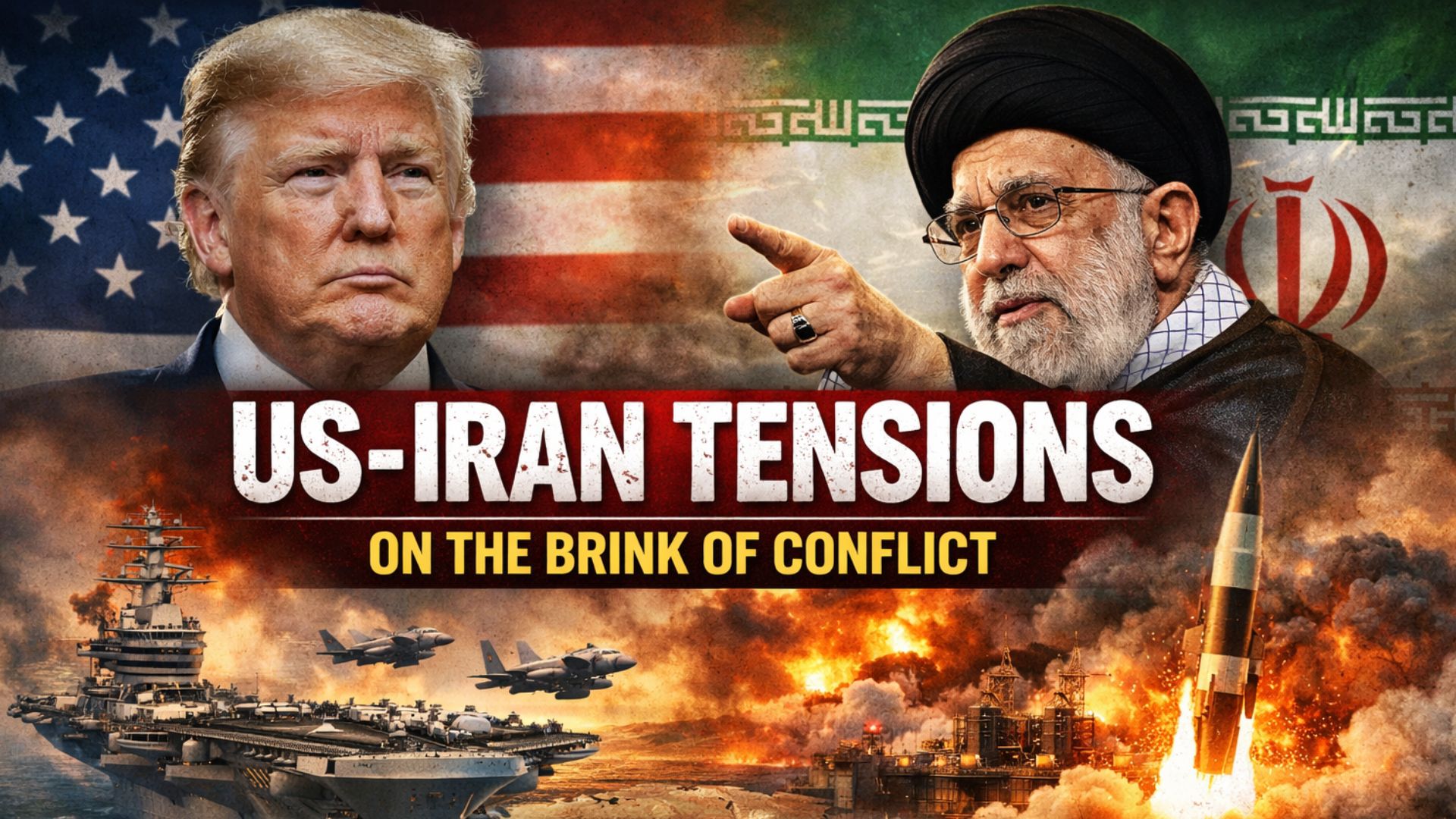
Image Courtesy: AI Generated
- Birth and Early Life (1939–1957)
- Born on 19 April 1939 in Mashhad, Iran.
- Full name: Sayyid Ali Hosseini Khamenei.
- Born into a religious clerical family; his father, Sayyid Javad Khamenei, was an Islamic scholar.
- Began religious education at a young age, studying Islamic jurisprudence and theology.
- Religious Education and Influences (1958–1963)
- Continued advanced seminary studies in Qom, Iran’s religious center.
- Studied under prominent clerics, including Ayatollah Ruhollah Khomeini.
- Became influenced by revolutionary Islamic political thought opposing the Shah’s regime.
- Opposition to the Shah and Arrests (1963–1978)
- Actively opposed Shah Mohammad Reza Pahlavi after the 1963 uprising.
- Arrested multiple times by SAVAK (Iran’s intelligence agency).
- Imprisoned and reportedly tortured during the 1970s.
- Became a key figure in underground revolutionary activities.
- 1979 Islamic Revolution
- The Shah was overthrown on 11 February 1979.
- Khamenei emerged as a close ally of Ayatollah Khomeini.
- Appointed to key roles in the newly formed Islamic Republic.
- Assassination Attempt (1981)
- On 27 June 1981, survived a bomb attack in Tehran.
- Sustained severe injuries, resulting in permanent damage to his right arm.
- Presidency of Iran (1981–1989)
- Elected as President of Iran in October 1981.
- Served two terms until 1989.
- Oversaw governance during the later years of the Iran–Iraq War (1980–1988).
- Becoming Supreme Leader (1989)
- Following the death of Ayatollah Ruhollah Khomeini on 3 June 1989, Khamenei was appointed as Supreme Leader of Iran on 4 June 1989.
- Became the highest political and religious authority in Iran.
- Leadership Era (1989–2020s)
- Oversaw expansion of Iran’s regional influence.
- Played a central role in nuclear policy decisions.
- Maintained authority over the military, judiciary, and state broadcasting.
- Faced international sanctions and diplomatic tensions with Western nations.
- Later Years and Health Concerns
- Periodic reports of health issues surfaced during the 2010s and 2020s.
- Continued delivering public speeches and overseeing strategic state matters.
- Death (2026)
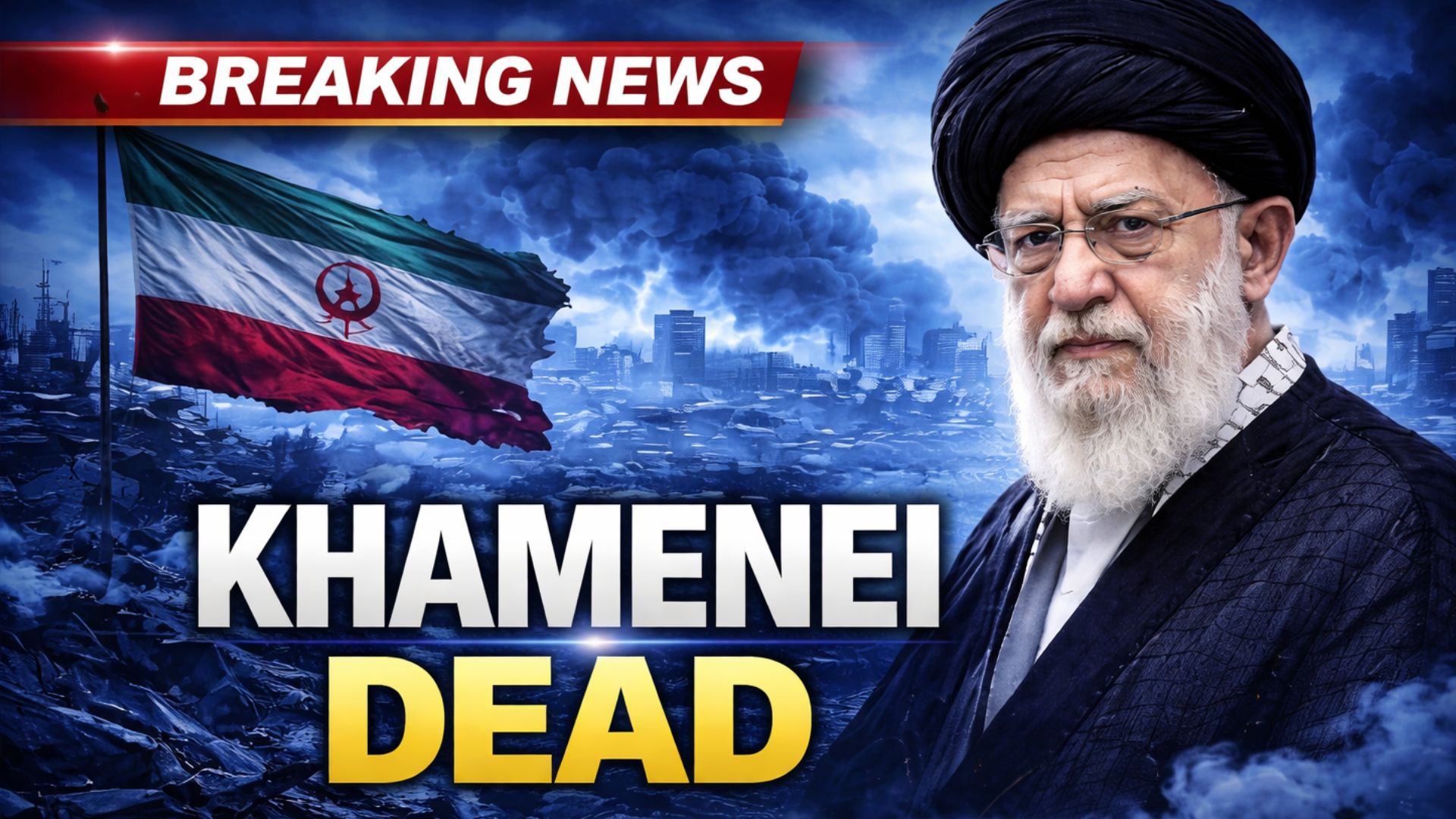
- On 28 February 2026, Ayatollah Ali Khamenei was killed in joint U.S.–Israeli airstrikes on Tehran, Iranian state media confirmed.
- He died at age 86, ending his 37- year tenure as Supreme Leader.
- Iran declared a 40-day mourning period following the announcement.
- Legacy
- One of the longest-serving leaders in the Middle East.
- His leadership shaped Iran’s domestic governance and foreign policy for over three decades.
- His death marked a major turning point in Iranian and regional politics.
(Note: This timeline reflects widely documented historical information about Ali Khamenei’s life and confirmed events.)