
Greece Drawn Into US-Israel–Iran War: Strategic Role, Rising Tensions and Regional Fallout
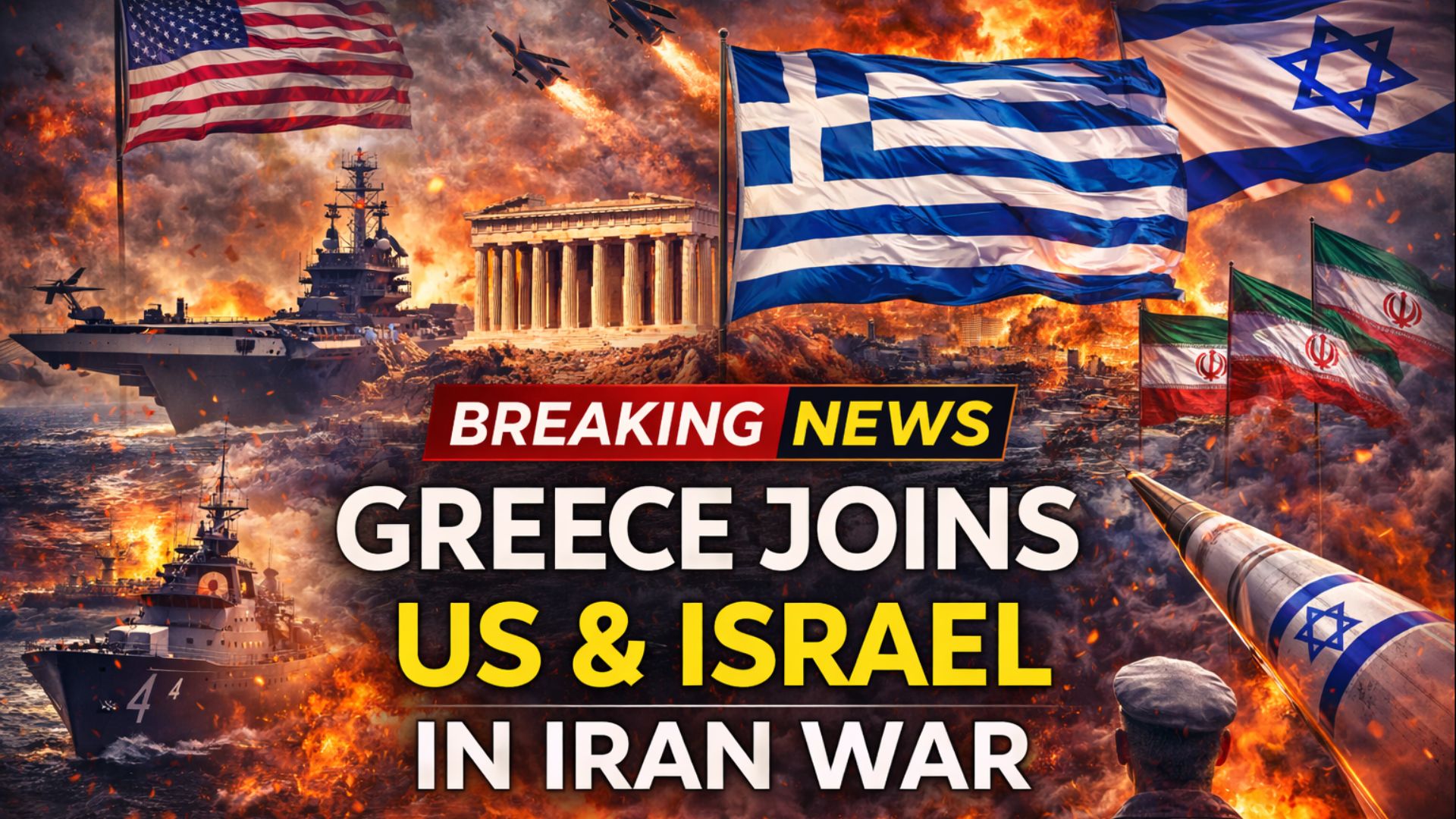
Image Courtesy: AI Generated
- Context of the Conflict (Feb–March 2026)
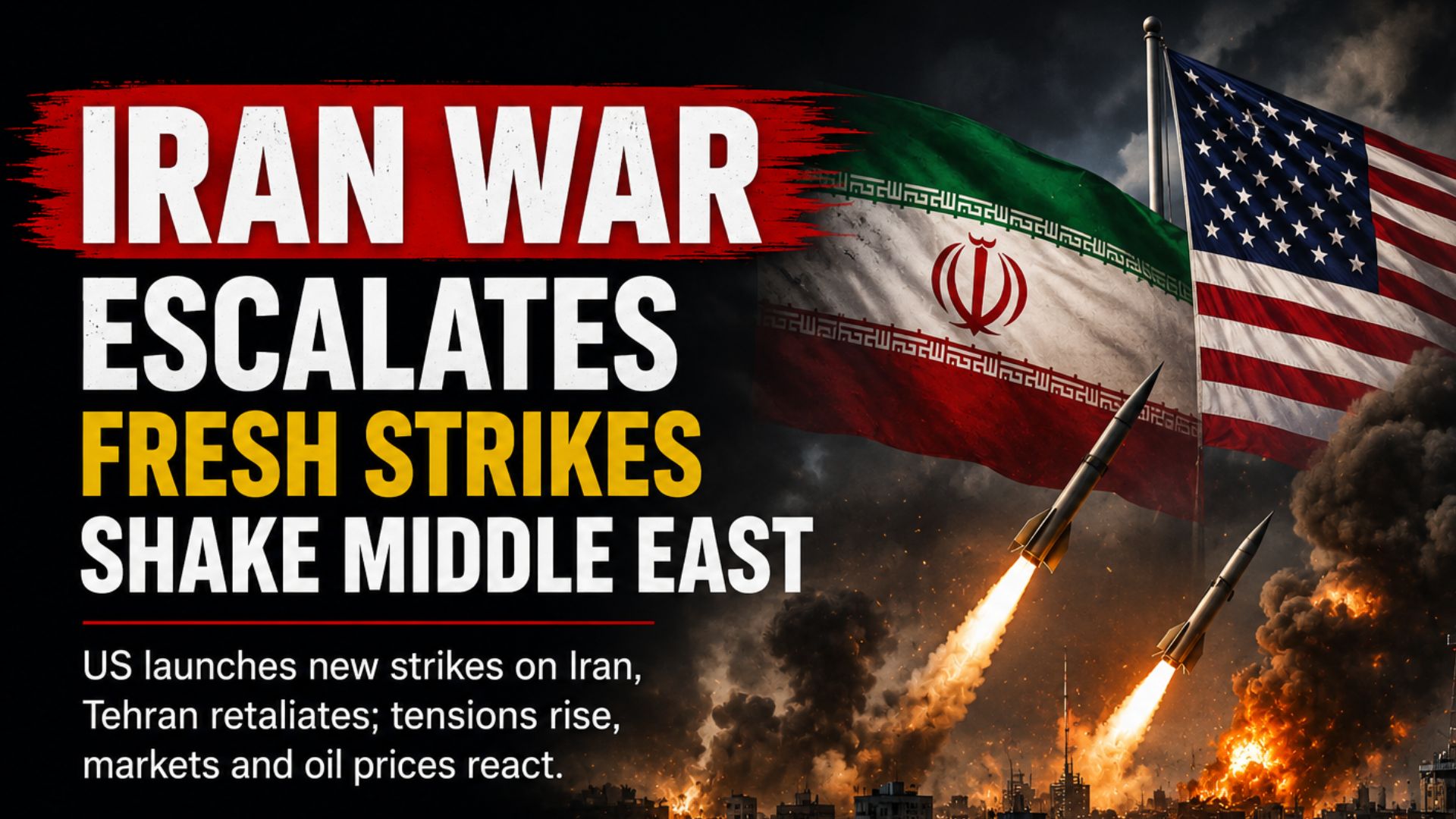
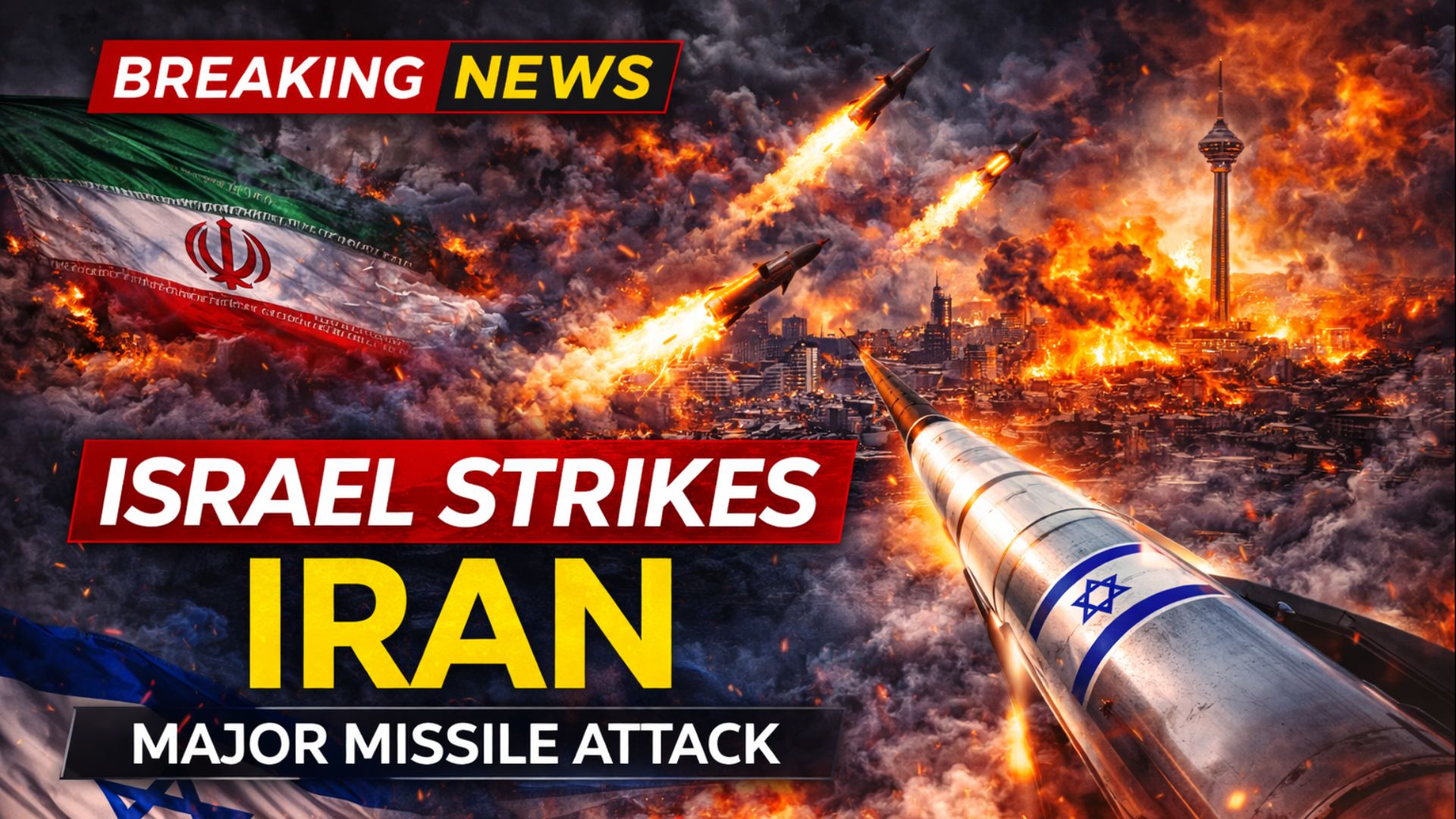
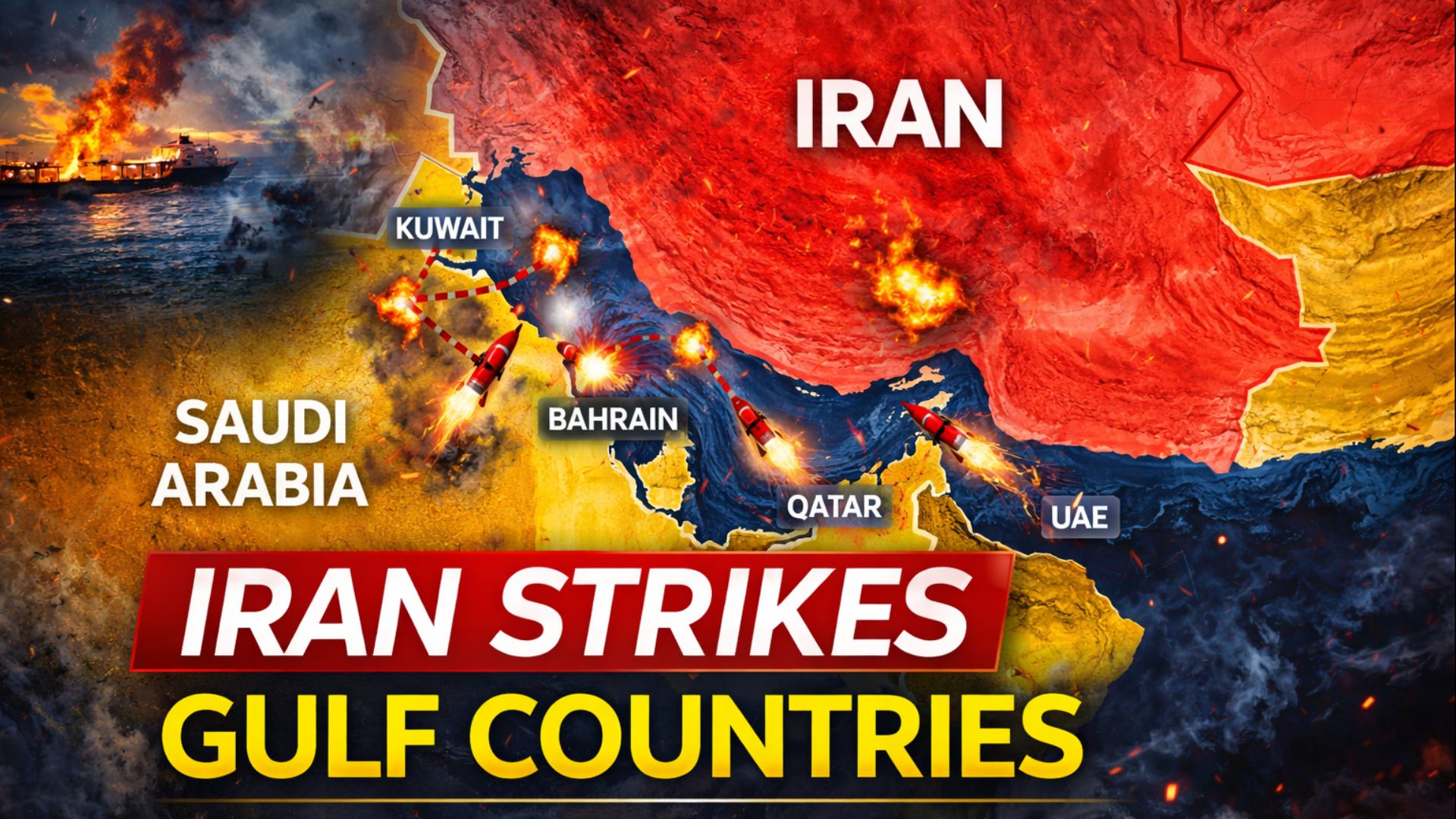
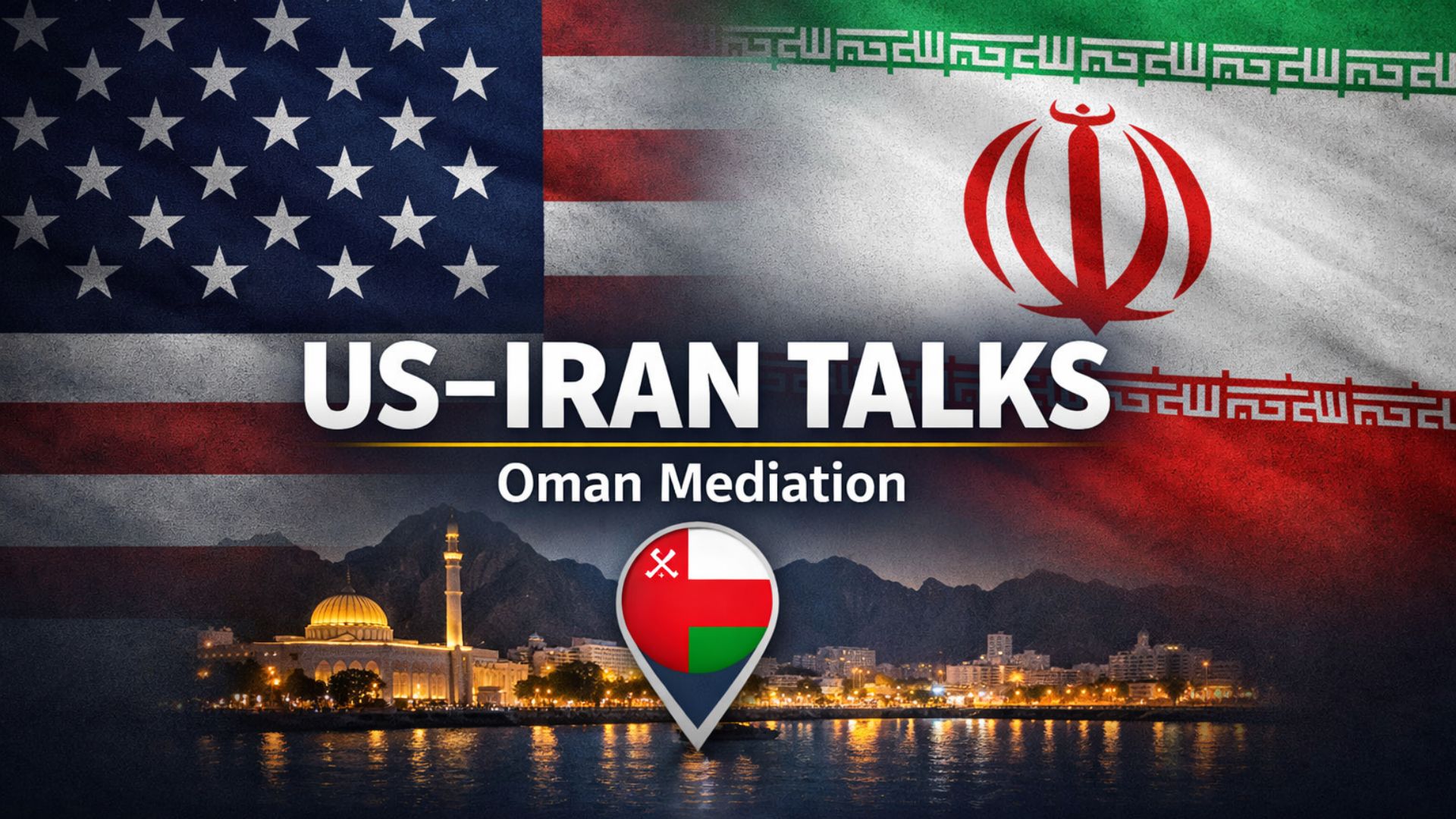
- The United States and Israel launched coordinated strikes on Iran on 28 February 2026, dramatically widening the conflict across the Middle East. Iran responded with missile and drone attacks against US, Israeli and allied targets. ([turn0search4][turn0news13])
- Greek Strategic Position
- Greece is home to the US naval base at Souda Bay in Crete, a key logistics and support hub for American military operations in the region. This base has seen heightened activity amid the conflict as US carrier strike groups and forces transit through the Mediterranean. ([turn0news35][turn0news42])
- Heightened Security and Military Posture
- Greek authorities detained a suspect in Crete linked to espionage targeting the US naval base, reflecting heightened security concerns tied to the Iran war’s expansion. ([turn0news35])
- Regional Defence Ties With Israel
- Greece has strengthened military cooperation with Israel in recent years, boosting joint exercises, defence planning and talks on anti-drone systems and cyber capabilities. These ties put Athens in closer alignment with Tel Aviv at a time of wider conflict. ([turn0search56])
- Protection of Cyprus and Eastern Mediterranean Security
- Iranian-linked missiles and drones targeted nearby Cyprus, hitting military facilities including a British airbase. Greece moved ships and jets to help secure Cyprus and counter further threats, positioning itself as a regional security partner amid tensions. ([turn0search54])
- Economic and Shipping Concerns
- Greek-flagged vessels were advised to avoid Gulf transit due to missile threats and disruption in the Strait of Hormuz, affecting trade and shipping. This shows Greece is impacted economically by the conflict despite not directly fighting on Iran’s borders. ([turn0news18][turn0search58])
- Domestic Reaction and Anti-War Sentiment
- Large protests erupted in Athens against US and Israeli strikes on Iran, with labour unions and civic groups calling for Greece to stay out of the war. This highlights internal opposition to deeper involvement. ([turn0search14][turn0news40])
- Diplomacy and De-escalation Efforts
- Greek leaders have emphasized the need for diplomacy and the protection of Greek citizens and interests, urging restraint in the region even as military ties and security responsibilities grow. ([turn0news21])
- Why Greece Appears Involved
- Greece’s involvement is driven by strategic security partnerships, geographic proximity, and its role as a staging point for US operations — not by direct declaration of war against Iran. The war’s spillover effects have pulled Greece into heightened readiness and support roles. ([turn0news29][turn0news21])
- Regional Implications
- Greece’s alignment with the United States and cooperation with Israel places it at the centre of the expanding conflict’s logistics and defence architecture, while also exposing it to potential retaliation risks as the war broadens beyond the Middle East.