
If War Continues for a Month: Economists Warn of GDP Slowdown and Inflation Pressure in India

Economists are warning that if the ongoing geopolitical conflict continues for another month, the impact could extend beyond stock market volatility and begin affecting India’s economic growth, inflation levels, and fiscal stability.
1. Oil Prices Could Rise Further India imports nearly 85% of its crude oil requirement. If the conflict disrupts global supply routes for an extended period, crude prices could remain above $100–$110 per barrel, significantly increasing India’s energy import bill.
2. Rising Inflation Pressure Higher oil prices would push up transportation costs, manufacturing expenses, and food prices, potentially raising retail inflation by 0.5%–1% if the situation persists for several weeks.
3. Impact on India’s GDP Growth Economic analysts estimate that prolonged geopolitical tensions could reduce India’s GDP growth by 0.3% to 0.5% for the fiscal year if high energy prices continue.
4. Pressure on Government Finances The government may face pressure to reduce fuel taxes or increase subsidies to control inflation, which could widen the fiscal deficit.
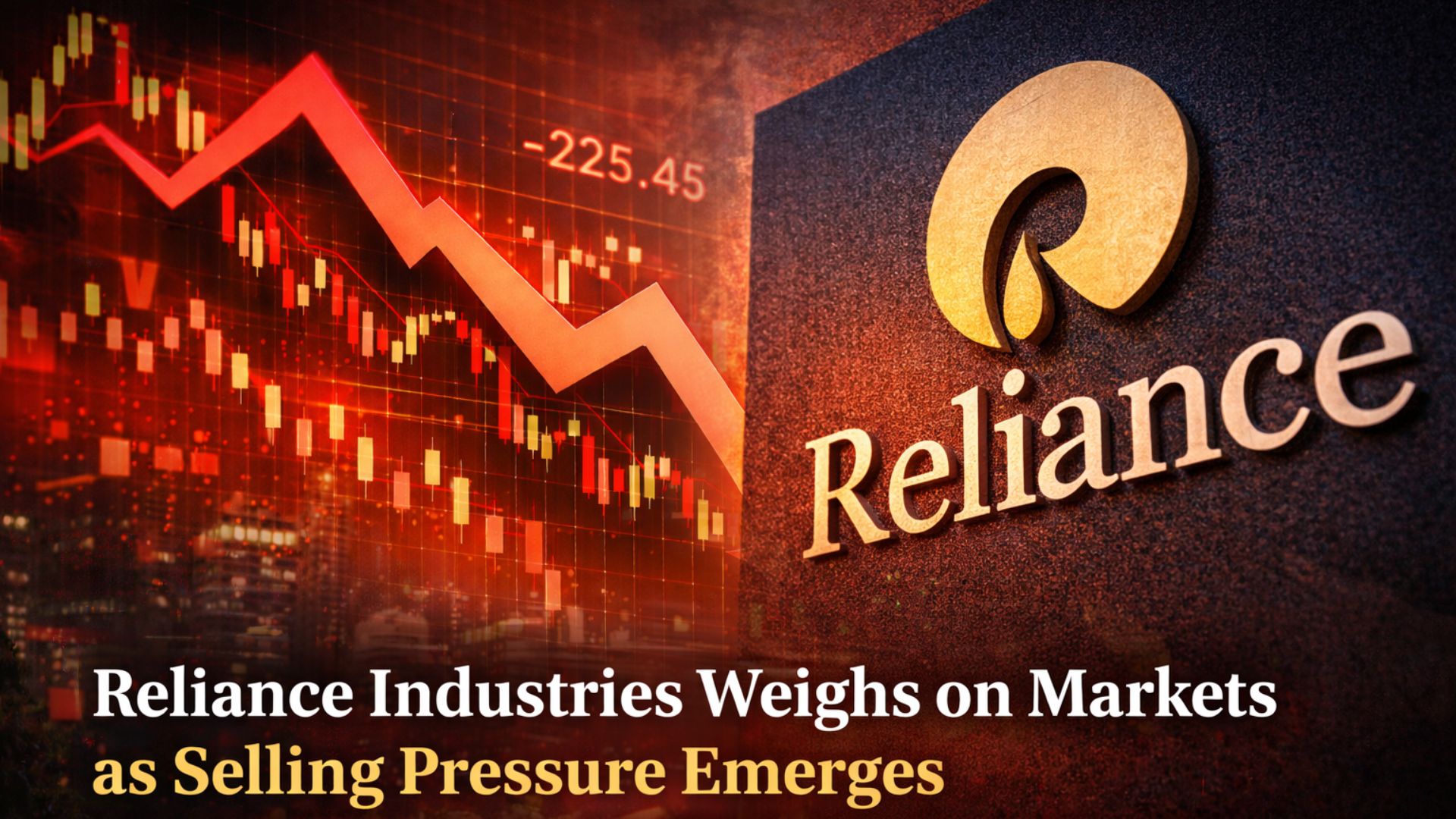
5. Stock Market Volatility Continues If war tensions persist, Indian equity markets may remain volatile. Analysts warn that the Nifty 50 could fluctuate between key support zones, depending on oil prices and foreign investor flows.
6. Rupee Under Pressure Higher oil imports would increase demand for US dollars, potentially weakening the Indian rupee against the dollar, which could further increase import costs.
7. Impact on Key Sectors Several sectors may be affected:
- Aviation and logistics due to higher fuel costs
- Auto and manufacturing due to rising input costs
- Oil and gas companies may benefit from higher prices
8. Trade and Shipping Disruptions If the conflict affects shipping routes in the Middle East, global trade routes could slow down, impacting India’s export-import logistics.
9. Government Monitoring the Situation Officials from the Ministry of Finance and Petroleum Ministry have stated that India has sufficient strategic reserves and policy tools to manage temporary global disruptions.
10. Long-Term Outlook Economists believe that while a short-term conflict may create temporary economic pressure, India’s domestic demand and economic fundamentals remain strong enough to absorb moderate external shocks.
However, if the war escalates further or continues for several months, energy prices and global trade disruptions could begin to weigh more heavily on economic growth worldwide.