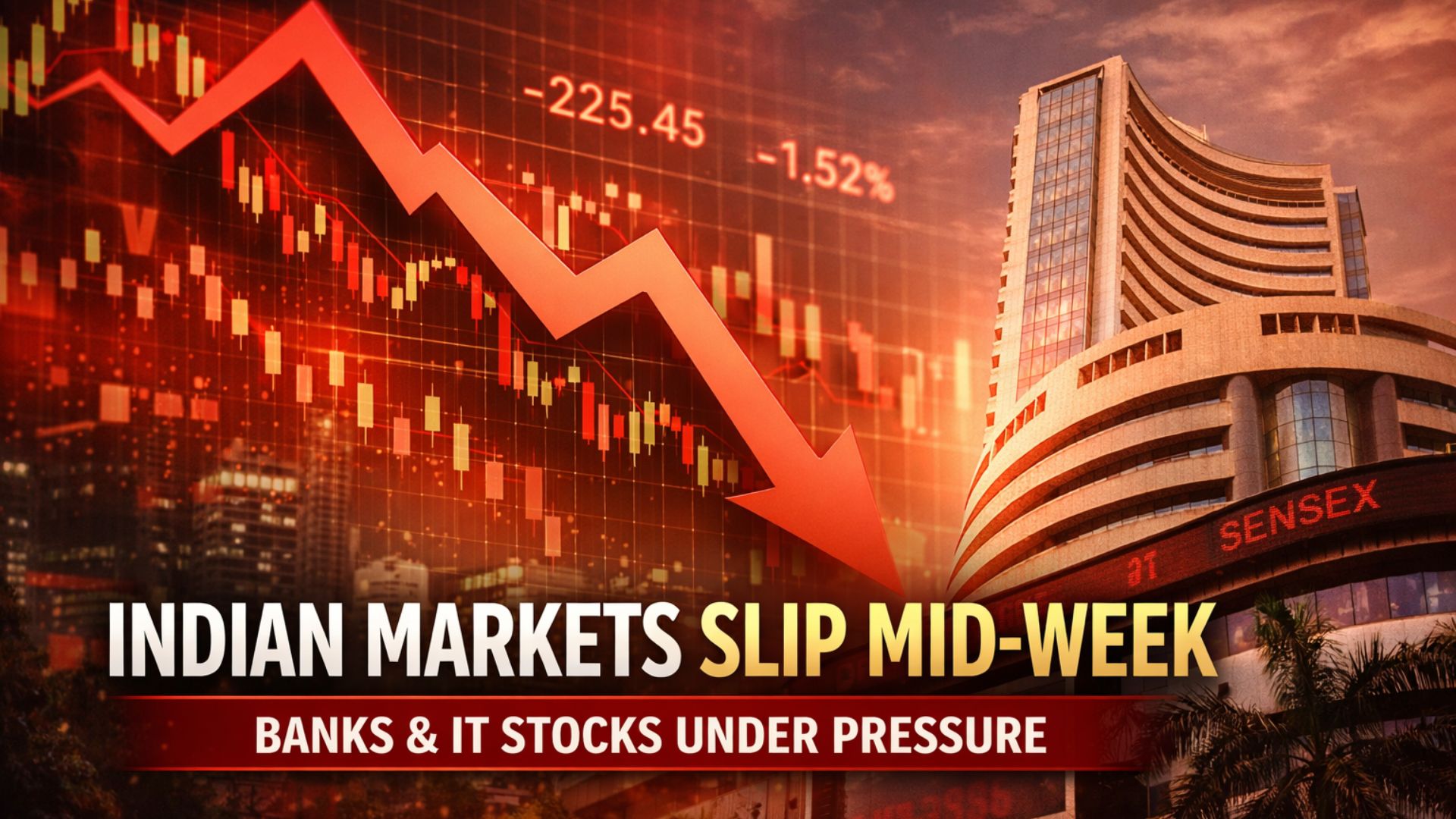

War Shock Hits Dalal Street: Sensex Falls 1,470 Points as Oil Crosses $100

Escalating geopolitical tensions and war developments in the Middle East triggered a sharp sell-off in global financial markets, with Indian benchmark indices witnessing significant declines during the latest trading session.
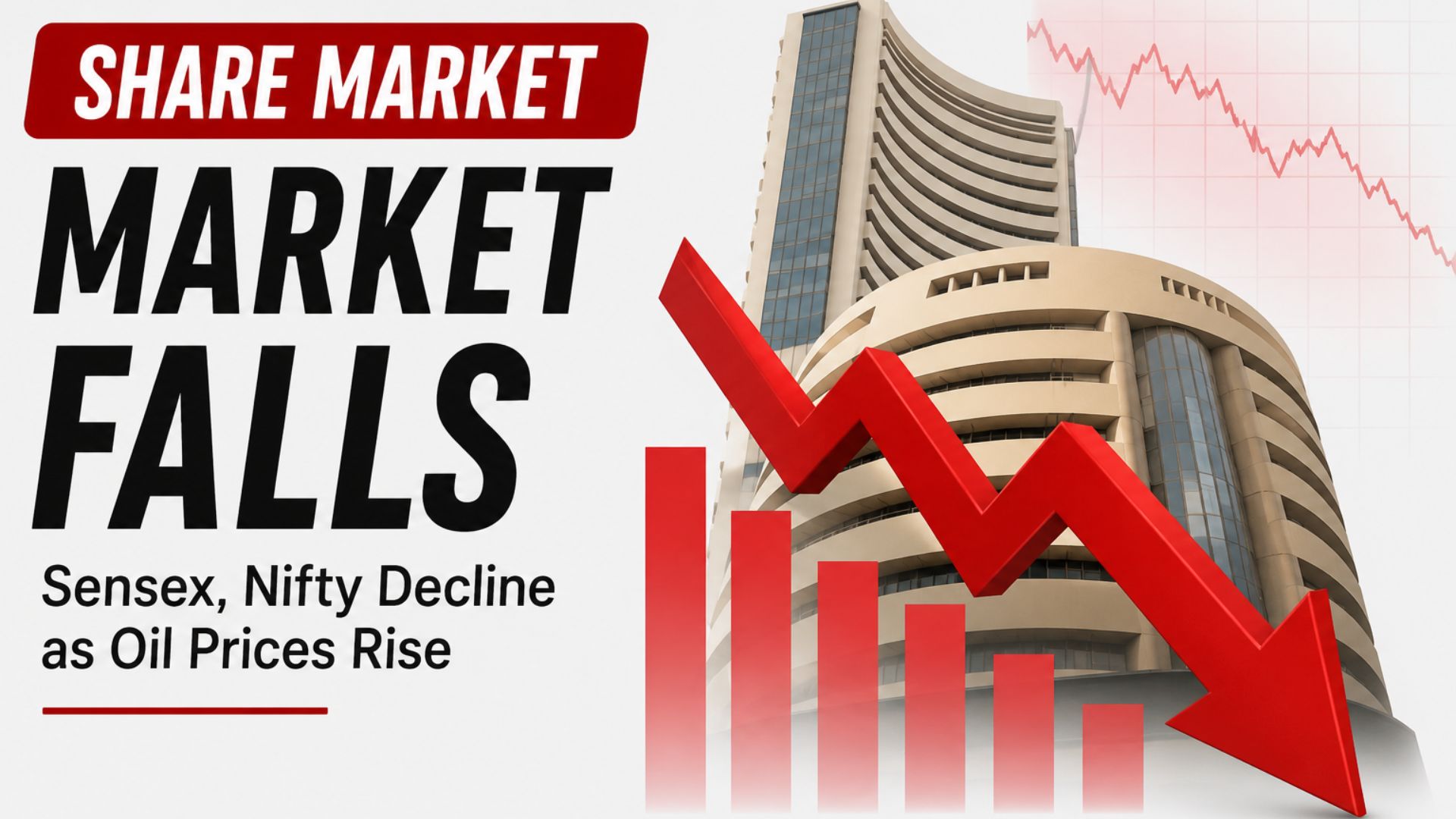
1. Sensex Sees Major Fall The BSE Sensex dropped 1,470 points (-1.93%), closing at 74,563.92, reflecting heavy selling pressure across large-cap stocks.
2. Nifty 50 Slides Sharply The Nifty 50 index fell 488 points (-2.06%), ending the session at 23,151.10, slipping below the key 23,200 level.
3. Market Wealth Erosion Due to the sharp decline, nearly ₹10 lakh crore in market capitalization was wiped out from Indian stock markets in a single session.
4. Crude Oil Surge Triggers Panic Global Brent crude oil prices surged above $100 per barrel, increasing concerns over inflation and India’s import bill as the country depends heavily on crude imports.
5. War Disrupts Global Trade Routes The conflict in the Middle East raised fears over possible disruptions in the Strait of Hormuz, a crucial shipping route for global oil supplies.
6. Foreign Investors Continue Selling Foreign Institutional Investors (FIIs) continued their selling trend amid global uncertainty, adding pressure on Indian equities.
7. Sector-Wise Impact Several sectors recorded losses:
- Auto stocks dropped sharply due to fuel cost concerns
- Financial stocks declined around 5% during the week
- Energy stocks showed relatively better resilience
8. Global Markets Also Weak Stock markets across Asia, Europe, and the US also declined as investors moved toward safe-haven assets amid escalating geopolitical tensions.
9. Safe-Haven Demand Rises Investors shifted funds into gold, bonds, and the US dollar, reflecting risk-off sentiment across global markets.
10. Market Outlook Analysts believe markets may remain highly volatile in the short term, with investors closely tracking crude oil prices, war developments, and foreign investor flows.
Experts say if oil prices remain above $100 per barrel, inflation risks could increase and continue to pressure global equity markets.